
Florida probate disputes can arise when disagreements occur over a will, estate administration, or the distribution of assets. These conflicts often involve family members, beneficiaries, or creditors who believe their rights have been overlooked or violated. Understanding why probate disputes occur and how Florida law addresses them can help reduce stress and uncertainty during an already difficult time. By knowing the available resolution options, families can make informed decisions that protect their interests and move the probate process forward more efficiently.
When probate disputes arise in Florida, Probate Funders helps heirs and beneficiaries manage financial uncertainty while legal issues are being resolved. With a deep understanding of Florida probate matters, our team provides probate funding solutions that allow clients to access a portion of their expected inheritance during contested proceedings. This support can help cover everyday expenses, legal fees, and urgent financial obligations without the pressure of waiting for disputes to conclude. Whether a probate dispute involves a will contest, creditor claim, or estate administration conflict, we offer responsive service, clear communication, and a supportive approach throughout the process. Call (754) 288-3762 to learn how probate funding can provide stability and peace of mind during Florida probate disputes.
How an Attorney Knowledgeable in Florida Probate Disputes Helps
Florida probate disputes can quickly become overwhelming, and Probate Funders understands how valuable experienced legal guidance can be during these conflicts. An attorney knowledgeable in Florida probate disputes helps beneficiaries understand their rights, evaluate the strength of claims, and navigate complex court procedures. Legal counsel can identify potential issues early, communicate effectively with opposing parties, and work toward resolutions that protect financial interests. Having an attorney involved often reduces delays and prevents costly mistakes that could prolong the dispute.
In addition to legal strategy, our experienced Florida probate attorneys help manage the emotional and financial strain that often accompanies disputes. Clear advice allows families to make informed decisions about settlement options, litigation risks, and timelines. While attorneys focus on resolving Florida probate disputes, Probate Funders can help beneficiaries maintain financial stability during the process. Together, legal guidance and probate funding support allow families to move forward with greater confidence and control.
Common Causes of Florida Probate Disputes
Florida probate disputes often arise when there is confusion, disagreement, or mistrust surrounding a deceased person’s estate. Emotions can run high during probate, especially when significant assets or strained family relationships are involved. Even well intentioned estate plans can lead to disputes if documents are unclear or improperly executed. Understanding the most common causes of Florida probate disputes can help families recognize risks early and take steps to address them.
Disputes Over the Validity of a Will
Challenges to a will are one of the most frequent causes of Florida probate disputes. Beneficiaries may question whether the will truly reflects the decedent’s wishes. Allegations often focus on how the will was created or whether legal requirements were followed. These disputes can delay probate and increase legal costs for everyone involved.
Claims of Undue Influence
Undue influence claims arise when someone is accused of pressuring the decedent into changing their will. This often involves caregivers, relatives, or individuals in positions of trust. Florida probate disputes based on undue influence require careful examination of relationships and circumstances. Courts closely review evidence showing control or manipulation.
Allegations of Lack of Mental Capacity
Some disputes center on whether the decedent had the mental capacity to create or modify a will. Medical conditions, cognitive decline, or medication use may be cited as concerns. Florida probate disputes involving capacity often rely on medical records and witness testimony. These cases can become complex and emotionally charged.
Conflicts Involving Executors or Personal Representatives
Disagreements over the actions of an executor frequently lead to Florida probate disputes. Beneficiaries may believe the executor is mismanaging assets or acting unfairly. Lack of transparency can quickly erode trust during estate administration. These disputes often require court intervention to resolve.
Allegations of Executor Misconduct
Claims of misconduct may include improper spending, delays, or failure to follow the will’s instructions. Beneficiaries may also accuse executors of favoring certain heirs. Florida probate disputes involving misconduct can result in removal of the executor. Courts may also require financial accounting or impose penalties.
Disputes Over Asset Distribution
Confusion about how assets should be divided is another common cause of Florida probate disputes. Vague language or conflicting documents can create uncertainty. Beneficiaries may disagree over entitlement to specific property or funds. These disputes often arise when expectations differ from legal outcomes.
Conflicting Beneficiary Designations
Certain assets transfer outside of probate through beneficiary designations. When these designations conflict with a will, disputes can arise. Florida probate disputes frequently involve outdated or incorrect beneficiary forms. Resolving these conflicts requires careful legal review.
Creditor Claims and Debt Related Disputes
Creditors play a significant role in Florida probate disputes involving outstanding debts. Beneficiaries may challenge the validity or amount of creditor claims. Missed deadlines or improper notices can further complicate matters. These disputes can reduce the value of the estate and prolong probate.
Disagreements Over Debt Responsibility
Disputes may arise over which assets should be used to satisfy debts. Beneficiaries may argue that certain property should be protected. Florida probate disputes involving debt allocation require strict adherence to statutory rules. Legal guidance is often necessary to resolve these issues properly.
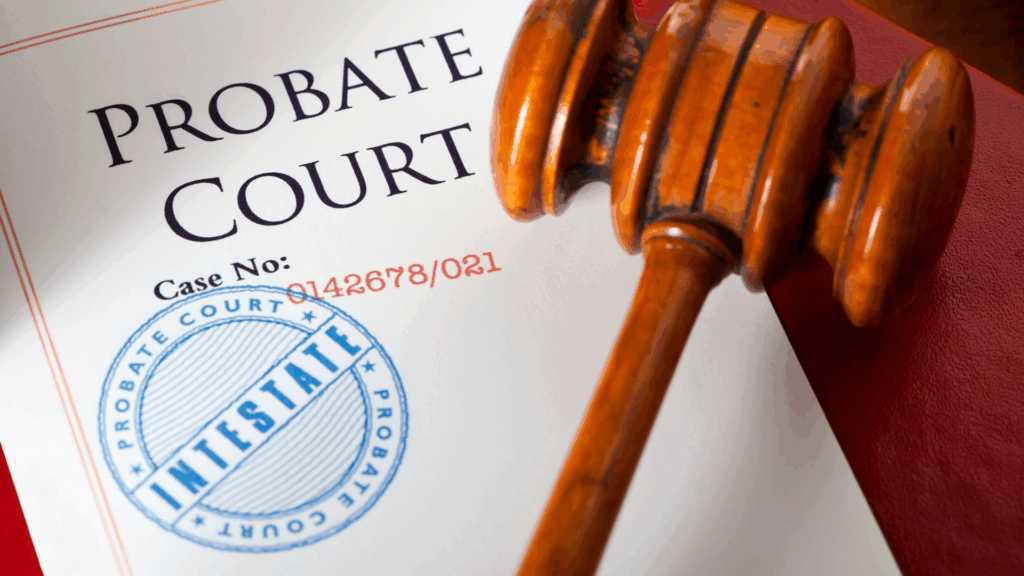
Types of Florida Probate Disputes Families Often Face
Florida probate disputes take many forms, depending on the structure of the estate and the relationships involved. These disputes often arise when expectations conflict with legal realities or when estate administration lacks transparency. Families may find themselves navigating disagreements that delay probate and increase emotional strain. Understanding the most common types of Florida probate disputes helps beneficiaries recognize issues early and respond appropriately.
Will Contests and Challenges to Estate Documents
Will contests are among the most common Florida probate disputes families encounter. These disputes typically question whether a will is valid or enforceable under Florida law. Challenges can significantly delay estate administration and may require extensive court involvement. Proper legal review is often necessary to resolve these issues efficiently.
Disputes Over Improper Execution
Florida law requires strict formalities for executing a valid will. Missing signatures, improper witnessing, or unclear revisions can invalidate a document. Florida probate disputes based on execution issues often focus on technical compliance. Courts examine whether legal standards were fully met at the time the will was signed.
Conflicting or Multiple Wills
Families may discover more than one version of a will during probate. Disputes arise when beneficiaries disagree over which document controls. Florida probate disputes involving multiple wills require careful evaluation of dates, intent, and execution validity. Resolving these conflicts can significantly slow the probate process.
Disputes Involving Personal Representatives
Personal representatives play a central role in Florida probate administration. Conflicts often arise when beneficiaries question how the estate is being managed. Florida probate disputes may involve allegations of poor decision-making or lack of communication. These disagreements frequently require court oversight.
Challenges to the Appointment of a Personal Representative
Some disputes focus on whether the chosen personal representative is qualified or appropriate. Beneficiaries may object based on conflicts of interest or past conduct. Florida probate disputes can arise when heirs believe another individual would better serve the estate. Courts may intervene to review or change appointments.
Failure to Provide Proper Accountings
Personal representatives are required to provide detailed financial accountings. When beneficiaries do not receive timely or accurate information, disputes often follow. Florida probate disputes related to accountings can lead to court orders or removal requests. Transparency is critical to avoiding these conflicts.
Disputes Between Beneficiaries
Disagreements among heirs are a frequent source of Florida probate disputes. These conflicts often stem from perceived unfairness or miscommunication. Emotional factors can intensify disputes, especially in blended or strained families. Clear legal guidance is often necessary to resolve these disagreements.
Disputes Over Specific Assets or Property
Beneficiaries may disagree about who should receive certain assets. Personal property, real estate, or sentimental items often become points of contention. Florida probate disputes involving specific assets can delay distributions. Courts may be required to interpret estate documents to resolve disagreements.
Creditor and Debt Related Probate Disputes
Outstanding debts commonly lead to Florida probate disputes during administration. Creditors may file claims that beneficiaries believe are invalid or excessive. These disputes can reduce estate value and prolong probate. Strict deadlines and procedural rules apply.
Disputes Over the Validity of Creditor Claims
Beneficiaries may challenge whether a creditor followed proper notice requirements. Claims filed late or without documentation may be disputed. Florida probate disputes involving creditors require careful legal review. Courts ultimately determine which claims must be paid.
Disputes Involving Non-Probate Assets
Some disputes involve assets that pass outside the probate estate. Beneficiary designations and jointly owned property often create confusion. Florida probate disputes may arise when beneficiaries believe non-probate transfers conflict with the decedent’s intent. Resolving these disputes requires understanding how Florida law treats asset transfers.
Conflicts Over Life Insurance and Retirement Accounts
Life insurance policies and retirement accounts transfer based on beneficiary forms. Outdated designations often cause unexpected outcomes. Florida probate disputes may arise when heirs believe these assets should be divided differently. Legal guidance is often needed to address these conflicts properly.
How Florida Probate Disputes Are Resolved in Court
Florida probate disputes are resolved through a structured court process designed to address conflicts fairly and according to state law. When informal resolution is not possible, the probate court steps in to interpret documents, evaluate evidence, and issue binding decisions. These proceedings can be time consuming and emotionally challenging for families involved. Understanding how Florida probate disputes move through the court system helps beneficiaries prepare for what to expect.
Filing a Formal Objection or Petition
Most Florida probate disputes begin when an interested party files a formal objection or petition with the probate court. This filing outlines the legal basis for the dispute and the relief being requested. Florida probate disputes often involve petitions challenging a will, executor actions, or creditor claims. Once filed, the court sets deadlines and procedures for the case to move forward.
Legal Standing and Interested Parties
Only certain individuals have the legal right to initiate probate disputes. These parties typically include beneficiaries, heirs, creditors, or personal representatives. Florida probate disputes require proof of standing before the court will hear the claim. Establishing standing is an essential first step in the process.
Discovery and Evidence Gathering
After a dispute is formally initiated, the case often enters the discovery phase. During discovery, each side gathers documents, records, and testimony to support their position. Florida probate disputes commonly involve financial records, medical evidence, and witness statements. This phase can significantly impact the strength and outcome of a case.
Depositions and Document Requests
Depositions allow attorneys to question witnesses under oath. Document requests help uncover financial transactions or communications relevant to the dispute. Florida probate disputes rely heavily on this evidence to establish facts. Proper preparation during discovery is critical to presenting a strong case.
Court Hearings and Judicial Review
Probate judges oversee Florida probate disputes and evaluate the evidence presented. Hearings may address preliminary matters or resolve specific legal issues. Some disputes require multiple hearings before a final decision is reached. Judicial review ensures that Florida probate law is applied consistently and fairly.
Evaluating Testimony and Legal Arguments
Judges assess witness credibility and legal arguments carefully. Conflicting testimony is weighed against documentary evidence. Florida probate disputes often hinge on the judge’s interpretation of intent and compliance with legal requirements. Clear presentation can significantly influence outcomes.
Mediation Ordered by the Court
In many cases, Florida courts encourage or require mediation before trial. Mediation allows parties to negotiate a settlement with the help of a neutral mediator. Florida probate disputes resolved through mediation often conclude more quickly and with less expense. Settlement agreements can avoid prolonged litigation.
Benefits of Court Ordered Mediation
Mediation provides privacy and greater control over outcomes. Parties may reach creative solutions not available through court rulings. Florida probate disputes settled through mediation reduce emotional strain on families. Successful mediation can preserve relationships and expedite resolution.
Trial and Final Court Ruling
If mediation fails, Florida probate disputes may proceed to trial. During trial, each side presents evidence and arguments before the judge. The court then issues a final ruling that is legally binding. Trial outcomes determine how the estate is administered moving forward.
Enforcement of Court Decisions
Once a ruling is issued, the personal representative must follow the court’s orders. This may include redistributing assets, removing an executor, or paying claims. Florida probate disputes conclude when court orders are fully implemented. Compliance ensures the estate can finally move toward closure.
Appeals in Florida Probate Disputes
Some parties choose to appeal probate court decisions. Appeals focus on legal errors rather than reexamining facts. Florida probate disputes at the appellate level can extend the timeline significantly. Appeals require strict adherence to procedural rules and deadlines.
Understanding the Impact of Appeals
Appeals can delay final distributions and increase costs. Not all probate rulings are eligible for appeal. Florida probate disputes involving appeals require careful legal evaluation. Experienced legal counsel is essential when considering this option.
Alternative Resolution Options for Florida Probate Disputes
Alternative resolution options for Florida probate disputes can help families resolve conflicts more efficiently and with less emotional strain than traditional litigation. Court battles are often expensive, time consuming, and emotionally exhausting for everyone involved. Many probate disputes can be addressed through cooperative processes that encourage communication and compromise. Exploring alternative resolution options allows families to maintain greater control over outcomes while reducing stress and costs.
Mediation as a Primary Resolution Tool
Mediation is one of the most common alternative resolution methods used in Florida probate disputes. A neutral mediator facilitates discussions between disputing parties to help them reach a mutually acceptable agreement. Mediation encourages open dialogue while keeping discussions confidential and focused. Many Florida courts actively promote mediation before allowing disputes to proceed to trial.
Benefits of Mediation in Florida Probate Disputes
Mediation often resolves disputes faster than litigation and at a lower overall cost. Parties retain control over the final agreement rather than relying on a judge’s ruling. Florida probate disputes resolved through mediation may also preserve family relationships by reducing hostility. This approach allows creative solutions tailored to the family’s specific circumstances.
Negotiated Settlements Outside of Court
Some Florida probate disputes are resolved through direct negotiations between attorneys without formal mediation. These negotiations may occur early in the dispute or after evidence has been reviewed. Settlement discussions allow parties to evaluate risks and reach compromises before litigation escalates. This approach can significantly reduce court involvement.
Addressing Disputes Through Attorney Led Negotiations
Attorneys play a key role in structuring settlement discussions and protecting client interests. Legal counsel helps clarify legal positions and realistic outcomes. Florida probate disputes handled through negotiation often resolve with less public exposure. Successful negotiations can bring closure without prolonged conflict.
Arbitration as an Alternative to Litigation
Arbitration is another option for resolving Florida probate disputes in certain situations. A neutral arbitrator reviews evidence and issues a binding or non binding decision. Arbitration is more formal than mediation but typically faster than court litigation. This option may be used when parties want a definitive outcome without a full trial.
When Arbitration May Be Appropriate
Arbitration may be suitable for disputes involving specific legal or financial issues. Parties must usually agree to arbitration before proceeding. Florida probate disputes resolved through arbitration benefit from streamlined procedures. This approach can reduce delays while still providing structured resolution.
Family Settlement Agreements in Probate Matters
Florida law allows beneficiaries to enter into family settlement agreements under certain conditions. These agreements modify how assets are distributed without altering the validity of the will itself. Family settlement agreements can resolve disputes efficiently when all parties cooperate. They offer flexibility that court rulings may not provide.
Advantages of Family Settlement Agreements
These agreements allow families to resolve disputes privately and amicably. They often reduce legal expenses and administrative delays. Florida probate disputes resolved through family settlement agreements avoid prolonged court supervision. This option works best when beneficiaries share a willingness to compromise.
Choosing the Right Resolution Path
Not every alternative resolution option is appropriate for every dispute. Factors such as family dynamics, asset complexity, and dispute severity influence the best approach. Florida probate disputes benefit from early evaluation of resolution options. Professional guidance helps determine the most effective strategy.
Combining Legal Guidance With Financial Stability
Alternative resolution processes still take time to complete. While disputes are ongoing, beneficiaries may face financial pressure. Florida probate disputes often require both legal strategy and financial planning. Probate funding can help provide stability while resolution efforts move forward.

Financial Challenges Caused by Florida Probate Disputes
Florida probate disputes often create significant financial strain for heirs and beneficiaries while the estate remains unresolved. Disputes can freeze asset distributions, leaving families without access to funds they expected to receive. At the same time, ongoing expenses and legal costs may continue to accumulate. Understanding these financial challenges helps beneficiaries prepare for the realities of prolonged probate disputes.
Delayed Access to Inheritance Funds
One of the most immediate financial challenges of Florida probate disputes is delayed inheritance distribution. When disputes arise, courts often restrict asset transfers until conflicts are resolved. Beneficiaries may wait months or even years before receiving funds. This delay can create hardship for those relying on inheritance for financial stability.
Impact on Daily Living Expenses
Many beneficiaries depend on inheritance proceeds to cover rent, mortgages, or medical costs. Delayed distributions can force individuals to rely on credit cards or loans. Florida probate disputes often create unexpected financial pressure during an already emotional period. These challenges can worsen as disputes continue.
Increased Legal and Administrative Costs
Florida probate disputes frequently lead to higher legal and court related expenses. Attorney fees, court filings, expert witnesses, and mediation costs can reduce the overall value of the estate. These expenses are often paid from estate assets before distributions occur. Prolonged disputes can significantly diminish what beneficiaries ultimately receive.
Costs Associated With Extended Probate Timelines
The longer probate disputes continue, the more administrative costs accumulate. Ongoing estate management, property maintenance, and accounting fees add financial burden. Florida probate disputes that extend over long periods increase the risk of asset depletion. This can leave fewer resources available for heirs.
Financial Stress From Frozen or Illiquid Assets
Many estates contain assets that are not easily converted to cash. Real estate, businesses, or investment accounts may be inaccessible during disputes. Florida probate disputes can prevent beneficiaries from selling or borrowing against these assets. This lack of liquidity can make it difficult to handle urgent financial needs.
Property Expenses During Ongoing Disputes
Real estate within an estate often continues to generate expenses. Property taxes, insurance, utilities, and maintenance costs must still be paid. Florida probate disputes can leave beneficiaries responsible for expenses without access to estate funds. These costs can quickly add up.
Strain on Credit and Personal Finances
Financial uncertainty during Florida probate disputes may impact personal credit and long term finances. Missed payments or increased debt can affect credit scores. Beneficiaries may be forced to make difficult financial decisions while waiting for probate resolution. This strain can have lasting financial consequences.
Emotional and Financial Pressure Combined
Financial stress often compounds emotional stress during probate disputes. Uncertainty about timelines and outcomes can make planning difficult. Florida probate disputes place beneficiaries in a vulnerable financial position. Support and planning become critical during this period.
The Role of Probate Funding During Disputes
Probate funding can help address financial challenges caused by Florida probate disputes. Funding allows beneficiaries to access a portion of their expected inheritance before probate concludes. This support can help cover living expenses, legal costs, and urgent financial needs. Probate funding provides stability while disputes move toward resolution.
Maintaining Financial Stability While Probate Continues
Probate disputes rarely resolve quickly, even with alternative resolution efforts. Having access to funds can relieve immediate financial pressure. Florida probate disputes become more manageable when beneficiaries are not forced into financial hardship. Probate funding helps families focus on resolution rather than survival.
Contact an Experienced Florida Probate Attorney Today
Florida probate disputes can place significant emotional and financial pressure on families, making timely legal guidance essential. An experienced Florida probate attorney can help you understand your rights, assess your options, and pursue a resolution that protects your interests. Whether a dispute involves a contested will, creditor claim, or estate administration issue, professional legal support can provide clarity and direction during a difficult time. Taking action early often helps reduce delays and avoid unnecessary complications.
If you are facing Florida probate disputes, speaking with a knowledgeable probate attorney is an important first step. At the same time, Probate Funders is available to help heirs and beneficiaries manage financial needs while probate matters are resolved. To learn how probate funding can support you during the process, call Probate Funders at (754) 288-3762 or contact us online today and take the next step toward greater financial stability and peace of mind.